

Jewellery Brand Marketing
Jewellery is a high-ticket, high-consideration purchase where photography quality directly determines conversion rate, and where trust signals matter more than persuasion. People do not impulse-buy a necklace worth a month's salary; they research, compare and reassure themselves first.
What converts a jewellery browser into a buyer?
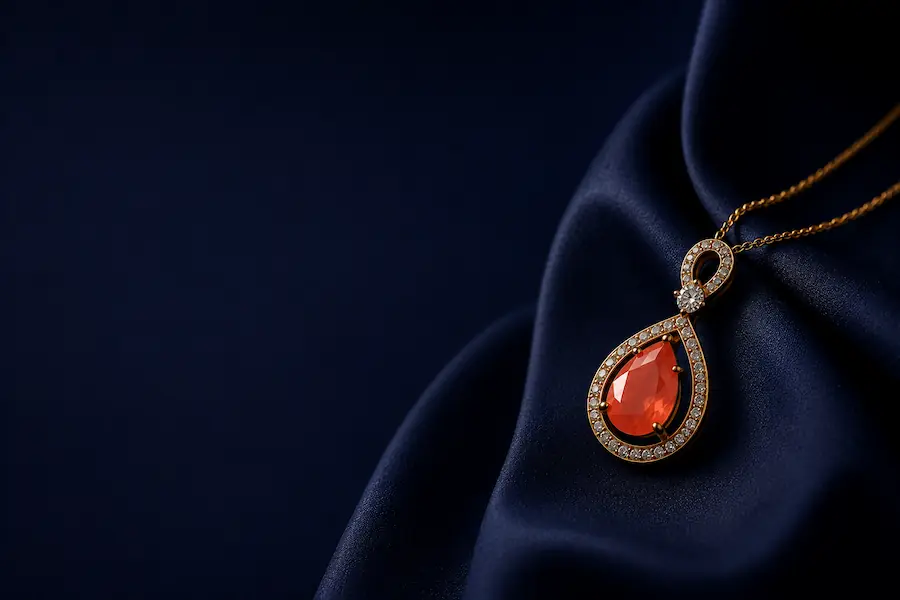
Photography and trust, more than clever marketing. A jewellery purchase is high-value and considered, so people scrutinise the product images and look hard for reassurance, certification, return policies, authenticity, before they commit. The brand whose photography survives being viewed on a phone, and whose trust signals are unmistakable, wins the sale.
Product photography is the single biggest lever. On a small screen, the difference between images that convey quality and images that do not is the difference between a sale and a bounce. Catalogue feed quality flows from this too, since shopping and dynamic campaigns depend on those images.
Because the consideration window is long, remarketing matters, but it has to be done without irritating people for ninety days. Frequency-capped, tasteful remarketing keeps you present through a slow decision; aggressive remarketing makes a premium brand feel cheap.
Many jewellery brands have beautiful products photographed badly, which quietly caps their conversion no matter how much they spend on ads. Fixing the photography and trust infrastructure often does more than any campaign, and it is exactly the unglamorous foundation most agencies skip past to get to the ad spend.
The problems that actually matter here
Product photography that survives being viewed on a phone screen
Catalogue feed quality for shopping and dynamic campaigns
Trust infrastructure: certification, returns, authenticity
Long consideration windows that require remarketing without irritation
Our approach for d2c & retail brands
- 01
Photography that converts
Getting the product images right, because on a phone screen they decide the sale.
- 02
Trust infrastructure
Certification, returns and authenticity signals made unmistakable.
- 03
Catalogue quality
Feed and image quality that powers shopping and dynamic campaigns.
- 04
Tasteful remarketing
Frequency-capped remarketing that stays present through a long decision without nagging.
The path your customer actually takes
Every sector has its own decision pattern. Getting the channel mix right starts with knowing this one.
-
01
Occasion drives the search
Weddings, festivals, anniversaries, gifting. Demand is calendar-bound and predictable, which means budget should be planned around occasions rather than spread evenly.
-
02
Visual discovery, then verification
Designs are found on social and Pinterest. Then comes verification: hallmarking, certification, buyback terms, return policy. Trust matters more here than in almost any other retail category.
-
03
Online browse, offline buy
Especially at higher ticket values. A large share of jewellery marketing works by driving showroom visits, which means measurement has to bridge online and offline or the channel looks like it failed.
-
04
Price transparency is expected
Gold rate linkage, making charges and buyback terms are compared explicitly. Opacity reads as something to hide.
What the economics really look like
Ticket values are high and purchase frequency is low, which makes the calendar the dominant planning variable. Concentrating budget around wedding and festival seasons generally outperforms even monthly spend by a wide margin. Because much of the conversion happens in a showroom, the measurement challenge is real: without call tracking, appointment booking or a store-visit signal, paid channels will appear to underperform while actually driving footfall. Solve measurement before judging channel performance.
Ranges here are indicative and category-dependent. We model yours from your actual figures before setting any target.Services we run for d2c & retail brands
The first ninety days
In this order, because each phase depends on what the previous one established.
Weeks 1–4: Bridge online to offline measurement
Call tracking, appointment booking and store visit signals, so showroom conversions are attributable. Without this every subsequent decision is made blind.
Weeks 4–8: Catalogue and trust content
Product photography that survives comparison, plus clear content on hallmarking, certification, making charges and buyback.
Weeks 8–12: Occasion-weighted campaigns
Paid campaigns planned and weighted around the wedding and festival calendar rather than spread evenly through the year.
What goes wrong in d2c & retail
The same handful of errors, across almost every account we inherit in this sector.
- Spreading budget evenly across a year in a category where demand concentrates sharply around occasions
- No measurement bridge between online marketing and showroom purchase, so effective channels look ineffective
- Opacity on making charges and buyback terms in a market where customers compare these explicitly
- Product photography that does not survive side-by-side comparison with larger competitors
Jewellery Marketing: common questions
-
Call tracking, appointment booking, and offline conversion import where you can match a customer record. Without at least one of these, paid channels will look worse than they are and you will cut the wrong budget.
-
Instagram and Pinterest for design discovery, search for occasion and comparison intent, and remarketing to bridge a considered decision. The weighting should shift with the calendar.
-
It depends on ticket value. Lower-value and fashion pieces sell online reasonably well. High-value purchases usually still complete in person, so the online role is to drive a qualified showroom visit.
-
Very. Hallmarking and certification are actively checked, and clear content about them removes hesitation. It is one of the few places where compliance detail is also good marketing.
Grow your d2c & retail brand
Tell us where you are now. We will reply on WhatsApp with a first read on what we would do.